Let's be honest: your project is your baby. Whether you're finally publishing that epic novel, dropping an album that's going to change the world, or launching a t-shirt line, you want it to look incredible. Commissioning custom art is like hiring a professional translator for your imagination—we take the "vague ideas in your head" and turn them into "stunning reality on the screen."
Wait, What Exactly is a "Commission" Anyway?
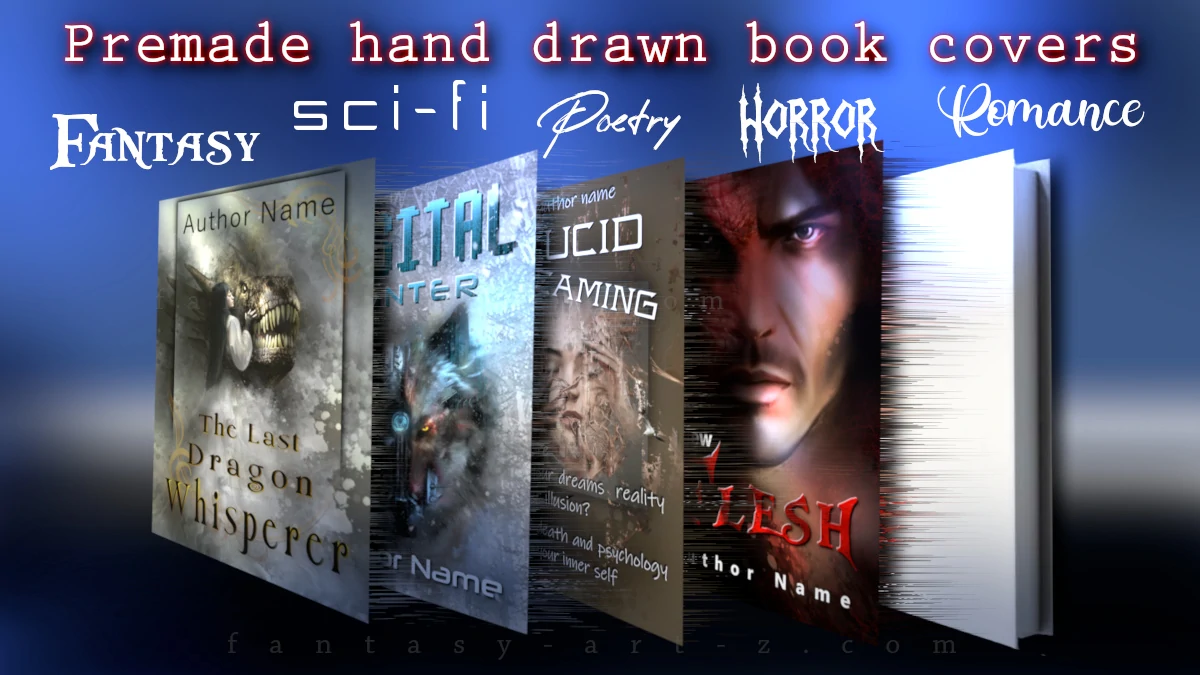
In plain English, commissioning an artist is just a fancy way of saying you're hiring a creative brain to build something specifically for you. Think of it as the difference between buying a suit off a rack at the mall versus having one custom-tailored to fit your exact measurements. While premade art is great for speed and budget, a commission is a collaborative deep-dive. Premade covers are awesome if you see something you already love, but a commission is about getting exactly what's in your head onto the canvas. We work together to make sure the final result doesn't just look cool, it fits your project's specific personality perfectly.
Step 1: Know What You Want (Before the Artist Loses Their Mind)
Before you send that first "Hey, I have an idea" email, take a second to sit down and actually figure out what that idea is. Spontaneous creativity is great, but artists aren't mind readers, if we were, we'd be winning the lottery, not painting dragons. Ask yourself these big questions first:
What Exactly are We Building Here? Resolution & Formats (The Nerd Stuff)
First off, let's get the technical "size" talk out of the way. Are we making a tiny podcast icon, or a massive poster that needs to stay crisp even if you print it the size of a garage door? There is a lot of "behind-the-scenes math" (DPI, pixels, and other boring stuff) that changes depending on the project. Knowing if your art is for a digital screen or a physical wall saves us from a massive technical headache later. And the sure thing is that professional art is delivered at 300 DPI (dots per inch) so it stays crisp and gorgeous.
And if we're talking about a Book Cover, let's be clear: this isn't just a "thumbnail" on Amazon. This is your primary marketing weapon. It has to be a masterpiece that stops a scroller in their tracks on any social media, but it also has to look prestigious and high-end when it's sitting on a physical bookstore shelf. It's a silent salesman that tells the reader, "This story is worth your time." If it looks cheap, people assume the writing is cheap too — and we're not letting that happen on my watch.
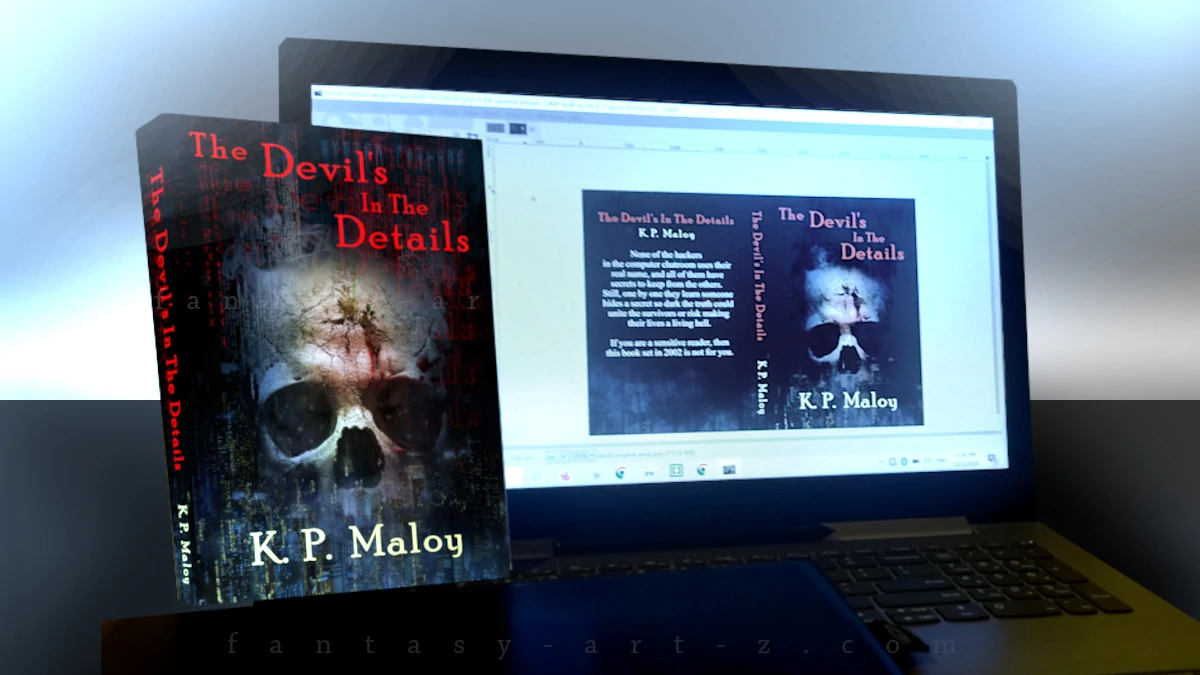
Typically, a book cover is delivered as a high-quality JPG (perfect for making people jealome on social media) and a PDF (which is what Amazon's printers actually crave). If you're getting t-shirt designs, you'll usually want a PNG with a transparent background so the shirt color shows through.
What's the Vibe?
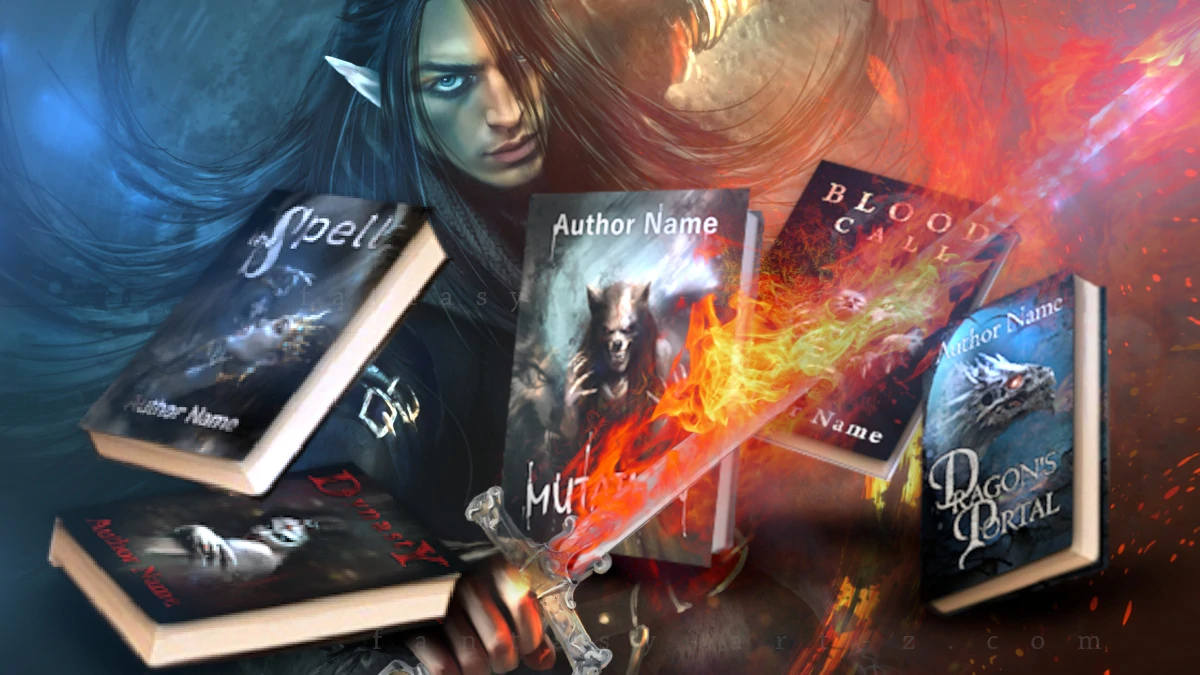
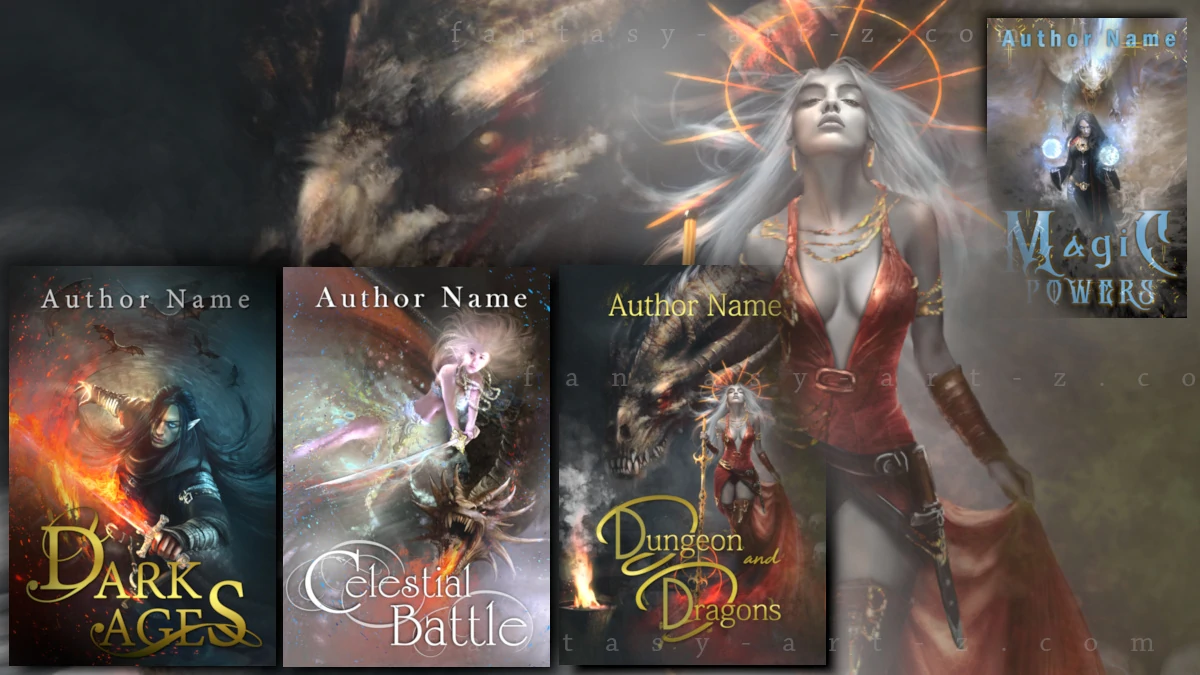
For some artists it's not enough just to say: "Make it to look cool." One person's "cool" is a gritty, dark cyberpunk city; another person's "cool" is a watercolor unicorn in a meadow. In such a case you need to build a mood board. Go on internet and grab images that make you go: "Yes, that!" Whether it's realistic, abstract, or somewhere in between, visual references are the best way to bridge the gap between your brain and our tablet. Pro tip: browsing through premade book covers or music album covers is basically a shortcut to finding your style without the guesswork.
But!... (Why there is always "but"?...) Many artists work best when given the complete freedom as do I. Give us the basic idea, or, even better, just the book's plot and a blurb, and we can do our magic!
The B-Word (Setting a Realistic Budget)
Let's be real: Everyone absolutely judges a book by its cover. If they say they don't, they're lying. Professional art is an investment because that cover is the first thing your audience is going to touch. Prices aren't just pulled out of thin air; they depend on the artist's experience, how complex the piece is, and, let's be honest, where the artist lives (rent prices in London vs. a quiet village in Bangladesh make a difference!). Also, remember the "Fast, Good, Cheap" rule: you can usually only pick two. If you need a masterpiece by tomorrow morning, expect a "Panic Tax" added to that invoice!
Step 2: Find Your Artistic Soulmate (Without Getting Ghosted)
This is a crucial step because the "Art World" on the internet can sometimes feel like a dark alleyway in a fantasy novel. Finding the right artist is like dating: you're looking for someone with great skills, a style you actually like, and, most importantly, someone who won't disappear with your money the moment you hit "send."
Become a Portfolio Stalker
An artist's portfolio is their resume, their soul, and their biggest shield against the scammers currently crawling all over the internet. Here's a massive red flag: If an artist only has three images and they all look like they were painted by different people, run. Professional artists spend years developing a style; if their gallery looks like a random collection of "cool stuff I found on Pinterest," it's a trap. A real pro will have a consistent body of work that shows they actually know how to handle things like color theory and lighting without hitting an "AI Generate" button.
How to Spot a Real Human in a Sea of Bots
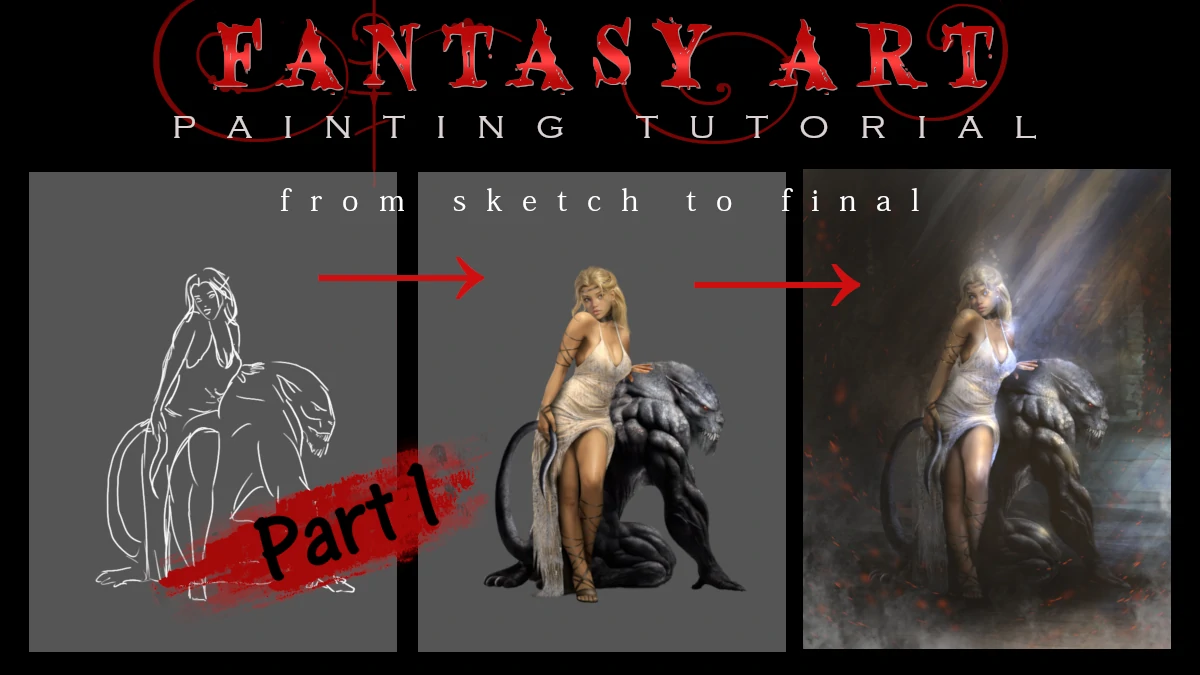
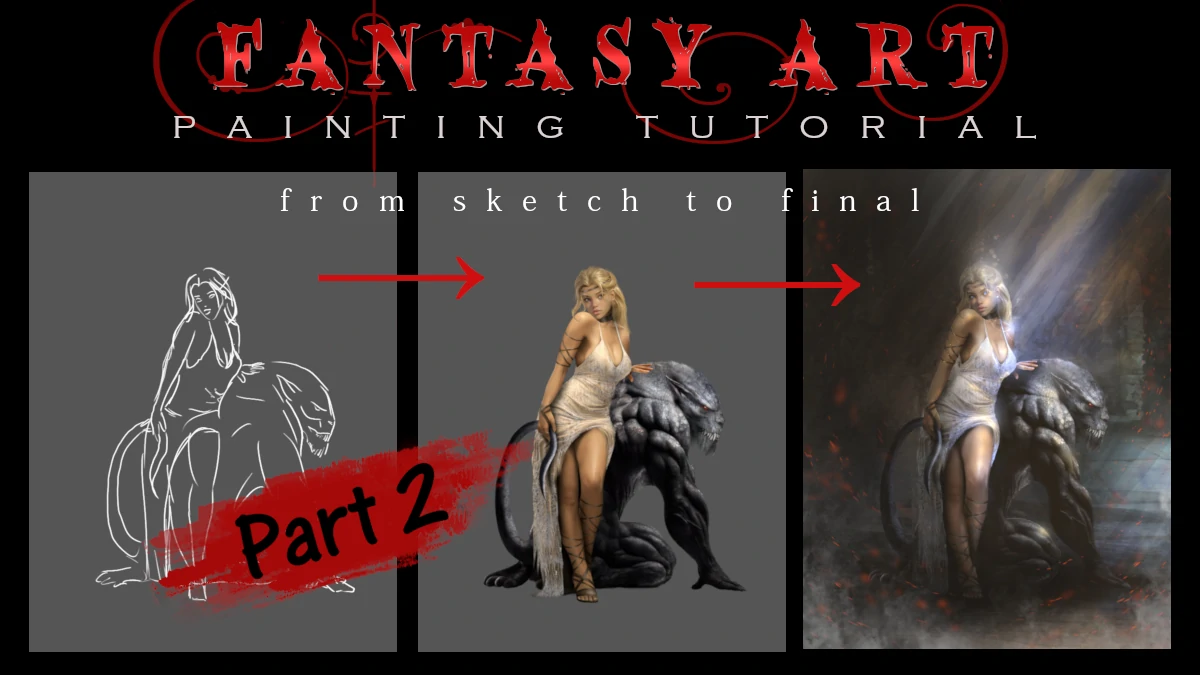
Besides the portfolio, look for "The Mess." Real artists usually show their homework. Look for sketches, "Work in Progress" (WIP) shots, or videos of the drawing process. Scammers and "AI-artists" can't show you the messy middle stages because they didn't actually draw it. If you want to see what a "receipt" looks like, check out an artist's drawing process on TikTok or Instagram. If they don't have a trail of breadcrumbs showing they actually do the work, don't engage. Your project is too important to be someone else's "easy money."
Read the Room (Reviews & Communication)
Art is emotional, but the business side shouldn't be a roller coaster. If an artist has reviews, read them like your life depends on it. You're looking for keywords like "reliable," "professional," and "didn't make me cry when I asked for a change."
Pay close attention to that very first email exchange. If they take three weeks to reply to a simple question, or if they answer you with one-word sentences like a moody teenager, that's a preview of the rest of your project. A professional artist should be excited about your vision! They should handle feedback constructively, not take it as a personal insult to their ancestors. Remember, you're paying for a service, not a favor and you deserve someone who is as responsive as they are talented.
Step 3: Reach Out
Your first email is your first impression. If you want a top-tier artist to take you seriously, you need to show up with a plan. Whatever you do, never just send a message that says "Hello" and wait for a reply. That is the fastest way to get your email moved to the "I'll deal with this later" folder (which is usually where emails go to die). Be the person who comes prepared!
The "Are You Free?" Essentials
Your first message should be short, sweet, and packed with facts. Ask if they are currently taking commissions, and most importantly: mention your deadline. Some artists are like popular restaurants, they're booked out months in advance. There's nothing worse than falling in love with an artist's style only to find out they can't start your project until next Christmas. Get the timing out of the way early!
Paint the Picture (Share the Vision)
Once the artist gives you the green light, it's time to spill the beans. Tell them about your theme, who you're trying to reach, and any "must-have" details. If you're commissioning a book cover, send over the blurb! Artists are visual storytellers; we need to know if your hero is a gritty, noir detective, vampire or a warrior to get the lighting and "vibe" right.
The same goes for merch: if you're looking for t-shirt artwork, mention the shirt color you have in mind and if you need the design to work with limited colors (it saves you a fortune on printing!). Pro-tip: Give your artist some breathing room. If you try to micromanage every single pixel, you're basically paying for a hand, not a brain. You lose that "creative magic" you're paying for! Most artists do their absolute best work when you give them a solid direction and then let them run with it.
The "Wait, There's More!" (Additional Costs)
Be upfront about exactly what files you need. Do you just want the artwork, or do you need a full front-to-back book wrap? Do you need social media banners, bookmarks, or posters? Don't wait until the project is finished to say, "Oh, can you also make me a 3D mockup?" That's like ordering a burger and then asking for fries after you've finished eating—it's going to cost extra. Most pros have a "menu" of additional services, so ask for it early to avoid awkward budget surprises later.
Step 4: The Boring (But Super Important) Legal Stuff
We get it, nobody likes reading the fine print. But a clear agreement is like a safety net for both you and the artist. It makes sure everyone is on the same page so nobody ends up stressed out later.
Who Actually Owns the Art? (Usage Rights)
When you pay for a commission, you aren't just paying for the pixels; you're paying for the permission to use them. If you're just hanging a portrait on your bedroom wall, that's "Personal Use" (cheaper!). But if you're selling your books on Amazon or printing a t-shirt design to are going to sell at a concert, you need "Commercial Rights." Most artists have different licensing tiers. Make sure you pick the one that fits your plan so you don't accidentally "steal" your own commission!
The "Oops, Can We Change That?"
Most artists include a few "free" rounds of revisions (usually 1 to 3) to tweak colors or move a dragon an inch to the left. Think of these like lives in a video game, use them wisely! If you decide halfway through that you want the hero to be a robot instead of a wizard, that's a "re-draw," not a revision, and it'll likely cost extra. Understanding this upfront keeps the vibes good and the project moving.
Show Me the Money (Payment Terms)
Professional artists don't usually work for "exposure" (spoiler: you can't pay rent with exposure). Expect to pay a deposit, usually 50%, before the artist even picks up their stylus. This shows you're serious about the project. The final half is paid when the art is finished. It's fair, it's standard, and it keeps everyone motivated!
Step 5: How to Give Feedback Without Being a Villain
The revision stage is where the magic happens, but it's also where communication can break down. The goal is to be helpful, not hurtful.
Don't Just Say "I Don't Like It"
If something feels "off," try to be specific. Instead of saying "make it better," try saying "can we make the lighting moodier?" or "the title is a bit hard to read against the background." If you have a list of ten changes, tell the artist which ones are the deal-breakers and which ones are just "nice-to-haves." This helps us focus our energy on the stuff that actually makes you go "Wow!" when you open the final file.
Step 6: The Grand Finale (Getting Your Files)
You're at the finish line! The art looks incredible, the colors are perfect, and you're ready to show it to the world. But before you start celebrating, we need to make sure you get the right "digital keys" to actually use your new masterpiece.
Source Files: The "In Case of Emergency" Files
Do you need the "Source Files" (the layered Photoshop or Illustrator documents)? These are the "master files" that allow another designer to move things around or change text years down the road. Most artists don't include these by default, they are like a chef's secret recipe, so if you want them, expect to pay a bit extra.
Summary of Mistakes to Avoid
If you want to keep your project on track and your artist happy, avoid these four classic blunders:
- The "Yesterday" Deadline: Don't rush the art. Fast work usually means compromised quality.
- Vague Instructions when you need exact details: If you just say "make it look epic," you're going to get a very expensive surprise.
- The Infinite Loop: Changing your mind ten times kills the momentum. Finalize your vision before we start painting.
- Ghosting: If you disappear for two weeks mid-project, don't be surprised if your artist moves on to another client.
Building Your Creative "Ride or Die" Relationship
Once you find an artist who finally "gets" you, hold on to them! For authors writing a series or musicians dropping multiple albums, having a consistent look is branding gold.
When a project goes well, don't be a stranger! A glowing review on an artist's page and a shout-out on social media costs you zero dollars, but to an artist, it's worth its weight in gold. Most of us have a "VIP list", repeat clients often get priority scheduling or special discounts because we already know exactly how you like your coffee (and your dragons). Reviews for artists are the same as reviews for your books, so treat them accordingly.
The Bottom Line
At the end of the day, commissioning custom artwork isn't just a business transaction, it's a collaborative journey. When you find the right rhythm with an artist, you aren't just getting a file sent to your inbox; you're getting a unique piece of soul that elevates your project far above the "generic" stuff everyone else is using. It's the difference between a house and a home.
Whether you're an author looking for that "one of a kind" cover, a musician needing art that actually "sounds" like your music, or a creator building something entirely new, the right artist is your biggest ally. So, take your time, find your match, and be ready to create something that you and your audience will be proud of for years to come. Now, stop overthinking it and go bring that vision to life!
Conclusion: Go Create Something Awesome!
Commissioning an artist shouldn't feel like a chore; it's a partnership. By being clear about your vision, respecting the process, and understanding the "boring" technical bits, you turn a simple transaction into a creative explosion. Now that you're armed with this guide, you're ready to go find your artistic soulmate and bring your project to life. We can't wait to see what you create!